
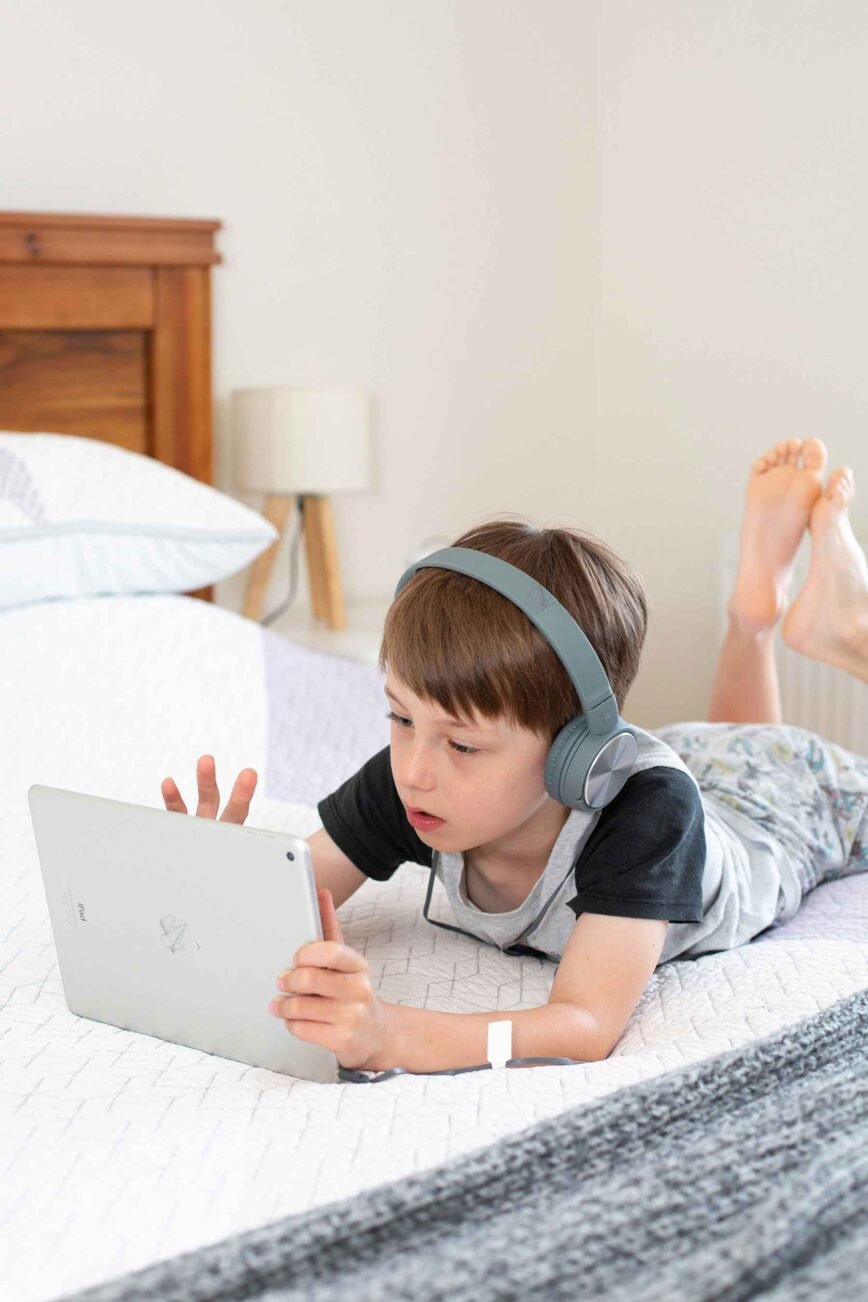
Let’s face it: screens are part of our lives — and our kids’ lives too. But intentional screen time can be a powerful tool, not a source of guilt.
🧠 1. Focus on Content Quality
Not all screen time is created equal. Shows like Bluey or Daniel Tiger can support social-emotional learning, while apps like Khan Academy Kids or Toca Boca foster creativity and curiosity.
⏱ 2. Create Screen Time Boundaries
Rather than focusing strictly on minutes, focus on balance. Is your child also getting time to play outside, read, or interact with family? Set screen time around routines (e.g., “After homework but before dinner”) so it’s part of the day, not the focus of it.
👪 3. Co-View When Possible
Watching or playing alongside your child helps them interpret content, ask questions, and feel connected. Even a quick “What did you like about that?” can lead to great conversations.
💡 4. Model Healthy Habits
Children learn what they see. If we’re constantly glued to our phones, they’ll follow suit. Consider screen-free zones (like the dinner table or bedrooms) and regular digital detox times for the whole family.


Leave a Reply